Is RVing Right for You? Addressing Common Concerns and Considerations
RV ownership can change the way you spend weekends, vacations, and longer stretches away from home. Your transportation, sleeping space, kitchen, bathroom, and gear all come with you. That convenience is appealing, but owning an RV also means accepting costs, maintenance, trip planning, and less living space than you have at home.
For shoppers considering a Class B RV, the decision comes down to whether that compact, highly mobile format fits the way you travel.
Before buying, consider how much space you need, how comfortable you are behind the wheel, what ownership will cost, how frequently you expect to use the RV, and how much planning you are willing to do. Those answers can also help determine whether a Class B motorhome is the right type of RV for you.
How Much Space Do You Really Need?
A Class B motorhome asks you to be intentional about space. The same compact interior needs to accommodate sleeping, cooking, storage, a bathroom, seating, and everyday movement through the coach.
For one or two people, that arrangement can work particularly well when the RV is primarily a base for exploring a destination rather than a place to spend every hour of the day. You can prepare meals, shower, sleep, carry gear, and relax without towing a trailer or driving a much larger motorhome.
The tradeoff is easy to understand once you spend time inside one. Counter space is limited. Storage requires organization. Two people may need to move around each other when cooking or getting ready. If you expect residential-size rooms, extensive storage, or separate living and sleeping areas, a larger RV may suit you better.
For buyers who would rather give up some interior square footage in exchange for a smaller vehicle footprint, the advantages of a compact RV become more meaningful once you use it regularly.
The best way to evaluate this is not by looking at floor plans alone. Sit inside a Class B. Stand in the galley. Try the bathroom. Look at where you would put clothing, outdoor equipment, food, and the items you use every day. Imagine the space with another person and your actual gear inside it.

Are You Comfortable Driving an RV?
Class B motorhomes are among the more approachable RV types for drivers moving up from a passenger vehicle, but they are still larger and taller than a typical SUV.
You need to know the vehicle’s height and length and become comfortable with wider turns, backing, mirrors, clearance, fuel stops, and parking. Mountain driving adds another layer because grades, curves, weather, vehicle weight, and road conditions all affect the driving experience.
A test drive can tell you far more than specifications on a screen. Pay attention to visibility, turning, braking, lane positioning, parking, and how comfortable you feel judging the vehicle’s dimensions.
A Class B can reduce some of the challenges associated with driving a larger motorhome, but compact does not mean you can treat it exactly like a passenger car. Parking garages, drive-throughs, low-clearance structures, narrow roads, and tight parking spaces still require attention.
What Does RV Ownership Really Cost?
The purchase price is only the beginning of the financial decision.
Depending on how you own and use the RV, your budget may also need to account for:
- insurance and registration
- fuel and campground fees
- routine maintenance, repairs, and tires
- seasonal service and storage
- financing costs, if applicable
- depreciation
Together, these expenses affect the cost of owning a Class B RV.
An RV can reduce your reliance on hotels and restaurants during some trips, but those savings should not automatically be treated as proof that RV ownership will cost less than other ways of vacationing. The result depends on how often you use the RV, where you stay, how far you drive, and what you would otherwise spend.
A more useful calculation is personal. Estimate the number and type of trips you realistically expect to take in a year, then compare that use with the complete cost of ownership.
If the numbers still make sense and you value having your own accommodation whenever you leave home, ownership may be worth more than a simple cost-per-night comparison suggests.
How Often Will You Actually Use Your RV?
It is easy to imagine frequent RV trips while shopping for a motorhome. Your existing schedule is a better predictor of what ownership will look like.
Look at the previous year. How many weekends could you realistically have spent away? How often did you take longer vacations? Would having an RV have made those outings easier, or would work, family responsibilities, weather, or other commitments still have kept you home?
Someone who expects regular weekend trips, longer road trips, seasonal outings, or frequent changes of destination has a very different ownership case from someone who may use an RV once or twice a year.
If you are drawn to RVing but unsure how the routine will fit you, renting a Class B before buying can answer practical questions quickly. Spend several days living with the space. Cook a meal. Set up for the night. Pack your normal gear. Find a campsite. Dump the tanks. Drive through a town and park somewhere you would actually stop.
The experience may confirm that you are ready to own or show you which compromises matter more than you expected. Either outcome is useful before making a major purchase.
How Much Planning Does RVing Require?
An RV gives you flexibility, but it does not eliminate logistics.
Popular campgrounds may require reservations well before you arrive. Overnight parking depends on local rules and property policies. You need to manage water and waste tanks. Some roads may be unsuitable because of clearance, length, weight, surface conditions, or seasonal closures.
You also need to think about where you will get water, where you can legally dispose of waste, when you will need fuel, and what services will be available at your destination.
This becomes easier with experience. After several trips, campground selection, tank management, packing, and route checks become familiar parts of getting ready.
The important distinction is that RV flexibility comes from having more of what you need with you, not from being able to park or camp anywhere you want.
Are You Ready for the Maintenance Side of RV Ownership?
An RV combines vehicle maintenance with the care of a small living space.
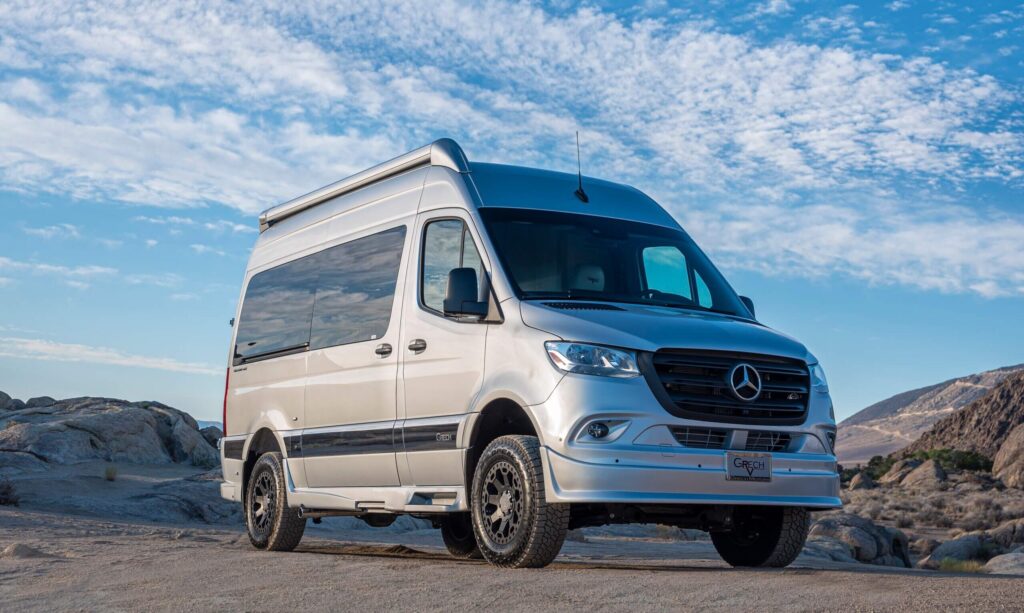
On a Mercedes-Benz Sprinter-based Class B, the chassis has its own service requirements. The RV portion adds plumbing, electrical equipment, climate systems, appliances, tanks, seals, fixtures, and other components that need inspection and care.
Not every owner needs to perform that work personally. What matters is being willing to keep track of it.
You should know when scheduled service is due, recognize when something is not operating normally, and have a plan for seasonal tasks such as winterization if the RV will encounter freezing conditions.
Before buying, ask who will service both sides of the vehicle and what support is available after delivery. A good ownership experience depends on more than the features you see during a showroom visit.
When Does a Class B RV Make Sense?
A Class B is a strong fit when mobility matters more than maximum interior room. It may suit you particularly well if you:
- usually travel solo or as a couple
- expect to move between destinations frequently
- prefer a smaller motorhome footprint
- are comfortable living with limited storage and interior space
- want your kitchen, bathroom, and sleeping space in the same vehicle you drive
A larger RV may make more sense if you regularly travel with several people, need substantial storage, or expect to stay in one place for long periods.
Where you plan to use it matters, too. For buyers considering a Class B van in Colorado, mountain roads, elevation, seasonal conditions, and storage can influence which vehicle best fits your plans.
Where Does Grech Fit Into the Decision?
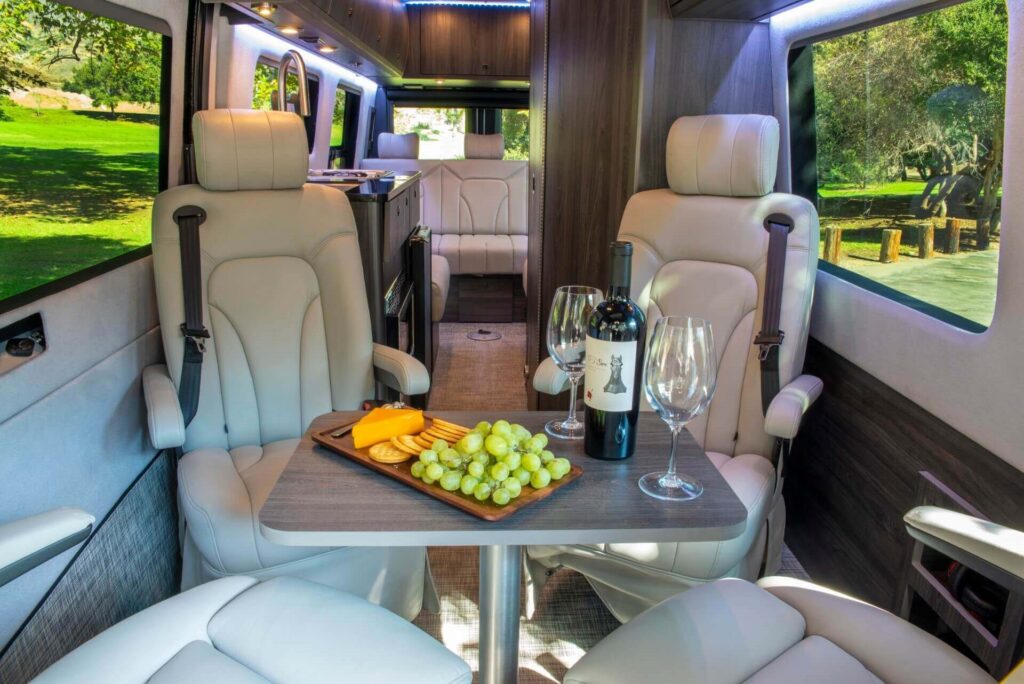
Once you know a Class B fits your travel style, the next question is which layout and vehicle best match how you plan to use it. Grech’s current Sprinter-based lineup includes the Strada-ion, Terreno-ion, Turismo-ion, and Vacanza-ion, with differences in vehicle length, storage, seating, floor plan, and drivetrain.
Rather than choosing from a specification sheet alone, compare the models around your actual use.
Is RVing Right for You?
RVing is likely to fit if you value mobility, are comfortable with a smaller living space, expect to travel regularly, and are prepared for the planning and maintenance that ownership requires.
If you are still unsure, rent first or spend more time in different RV types before buying. If Class B ownership fits your plans, Mountain Luxe RV can help you compare the current Grech lineup based on how you intend to travel.


