Grech POWER™ Through the Seasons: What Off-Grid RVing Really Requires
Off-grid travel has evolved dramatically, especially with the rise of lithium-ion battery systems and intelligent energy platforms. But while these advancements unlock new possibilities, they don’t eliminate the core truth of mobile living: every climate affects your energy system differently.
Understanding how temperature, elevation, and seasonal demands interact with your camper van’s power setup is essential—not just for comfort, but for safety and system longevity. Whether you’re parked under a blazing summer sun or parked in a snow-covered forest, your energy use—and what your battery can deliver—changes.
This post takes a practical look at how off-grid RV power systems behave across seasons. It focuses on what lithium technology enables, what it still requires from the traveler, and how to make the most of your setup with informed use—not assumptions.
High-Draw Demands: Heating and Cooling
Temperature extremes are the biggest drivers of power consumption. Whether it’s a diesel-powered heating system running steadily overnight or a rooftop A/C unit cycling throughout a summer afternoon, comfort comes at an energy cost.
In cold weather, batteries can become less efficient, and energy demands rise due to prolonged heater use and the need to keep water systems from freezing. This makes it essential to monitor charge levels, avoid deep discharges, and, when possible, minimize high-draw appliances. Maintaining interior warmth often relies on both the heating system and your battery platform working in tandem—especially during short winter days when solar input is limited.
In hot weather, air conditioning becomes the major load. Even high-capacity batteries can only support extended A/C use for a limited time. Vent fans, insulated window shades, and travel timing can help reduce cooling needs. Smart strategies like pre-cooling your van or shifting energy use to cooler times of day make a noticeable difference.
The takeaway: climate control is achievable off-grid, but only with realistic expectations and a solid understanding of your system’s capacity under strain.
Slow and Steady Loads: Everyday Use
Beyond heating and cooling, your van’s electrical system handles a steady stream of background tasks: lights, water pumps, refrigeration, charging devices, and media systems. These low but continuous draws can add up, especially during long stretches between charges.
Shoulder seasons—spring and fall—are often the most power-efficient times for off-grid travel. Minimal HVAC usage and milder outside temperatures mean your system has to do less work. This is also when travelers often underestimate their energy use, assuming that everything is running smoothly because the van feels comfortable.
Tracking your actual draw with diagnostic apps or built-in monitoring screens provides a more accurate picture. It also helps you identify which appliances or habits might be draining more than expected. Something as simple as an always-on inverter or an overlooked dome light can make a noticeable dent in overall efficiency over time.
Charging Sources: What Works When
Understanding where your power comes from—and how fast it replenishes—matters as much as how you use it. Lithium systems recharge more quickly than traditional batteries, but only when given proper input. That means knowing how to use your alternator, solar panels, and shore power wisely, depending on the conditions.
Solar is ideal in summer, when daylight hours are long, and sun exposure is consistent. In fall or winter, however, it becomes less reliable due to shorter days and potential shading from trees, snow, or weather conditions. In those situations, alternator charging from the vehicle’s engine or brief stints on shore power can provide a needed energy boost.
Inline chassis battery chargers and high-output alternators help support flexible charging, especially when driving frequently. For stationary setups, maximizing solar input through proper parking orientation and panel maintenance makes a meaningful difference.
System Support: Monitoring, Diagnostics, and Efficiency
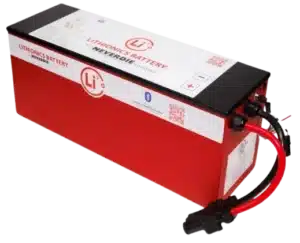

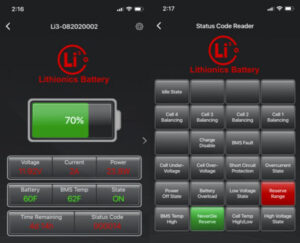
Modern energy systems include more than just batteries—they’re ecosystems. Remote monitoring tools like Garmin SERV+, VictronConnect, and Lithionics Battery Monitor provide real-time insights into usage, charge state, and performance. These apps allow travelers to adjust power consumption, track efficiency trends, and spot issues early.
Having access to remote diagnostics and support through platforms like Grech Connect™ adds another layer of resilience, especially when far from service centers or hookups.
But even the best system needs a well-informed user. Knowing your energy curve—what draws the most, when your batteries charge fastest, how your system performs in varied conditions—means you’re not just relying on tech, you’re partnering with it.
Energy Independence Requires Awareness
Off-grid energy isn’t just a technical matter—it’s a rhythm you develop over time. The best systems give you the foundation, but what you do with them shapes the outcome. Every climate, route, and overnight setup teaches you something about how your van behaves, how your energy flows, and where the limits really are.
Having a reliable platform like GRECH POWER™ means you can focus less on whether your power will hold and more on how you want to use it. But it still comes down to choices—when to charge, what to prioritize, how to adjust when conditions shift.
Use what you need. Charge what you can. Pay attention to the details. And let the road and your system work together for a more confident, uninterrupted journey.
For those exploring energy-smart RV living from the start, Mountain Luxe RV is Colorado’s exclusive dealer for Grech motorhomes, offering expert guidance and personalized support for every system they deliver.


